|
Majorana 2 brings us closer than ever to actually useful quantum computers
Published: 7-08-2026
The rise of quantum computing, driven by companies like IBM and Google, could at best be described as “slow and steady.” They have a clear path towards scalability, with difficult but likely solvable problems down the line. Which is why most estimates of quantum computers that can be useful put them many decades away.
 CREDIT: Microsoft Corporation CREDIT: Microsoft Corporation
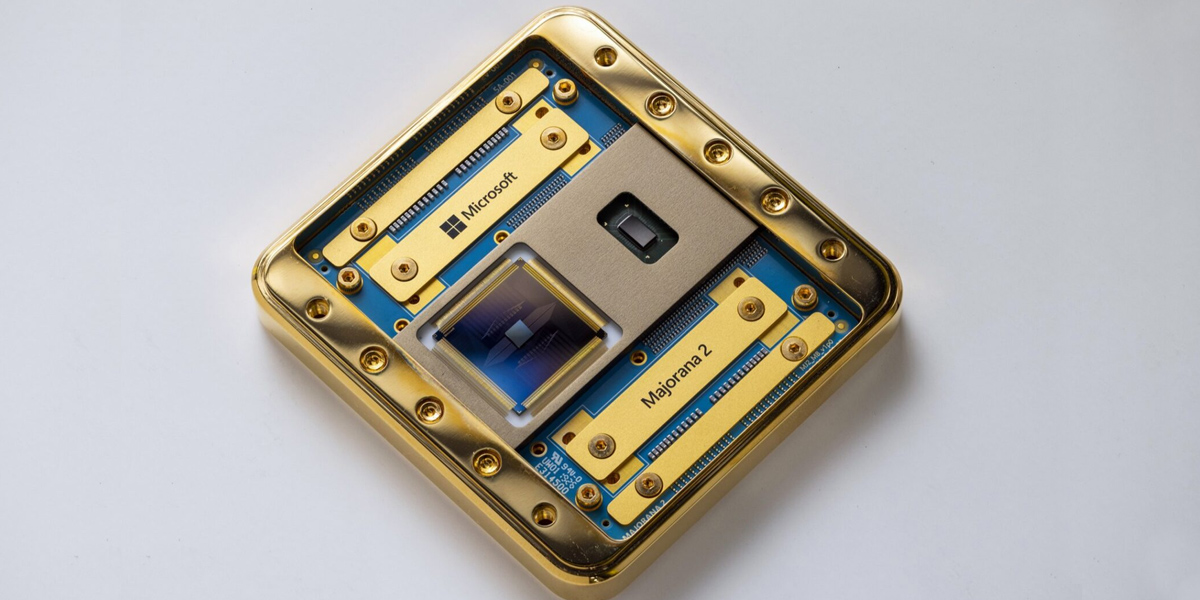
Microsoft has a completely different view of how to get to quantum supremacy for all, and it’s a high-risk, high-reward gamble. It is building a quantum computer around an exotic type of particle-like state that could solve one of the biggest problems in the field.
With the unveiling of Majorana 2, Microsoft has (claimed) the biggest single-generation leap in quantum computing. If what the company claims is true, it’s leapfrogged decades of quantum computing development.
Majorana 2 introduces new materials and much more reliable qubits
Quantum computers promise to solve certain problems that would take today's fastest supercomputers thousands or even millions of years to complete. The catch is that quantum bits, or qubits, are incredibly fragile. Heat, vibration, electromagnetic interference, or even tiny imperfections in the hardware can introduce errors that quickly make calculations useless.
Most modern quantum computers, which again can’t really do anything useful yet, struggle with error correction as the main hurdle. The solution has been a design where hundreds or even thousands of quantum bits are needed to form a logical qubit.
Microsoft thinks this a silly way to tackle the issue. Instead, researchers at the company have reasoned that if you make your qubits more resistant to being flipped, then you don’t need as many of them.
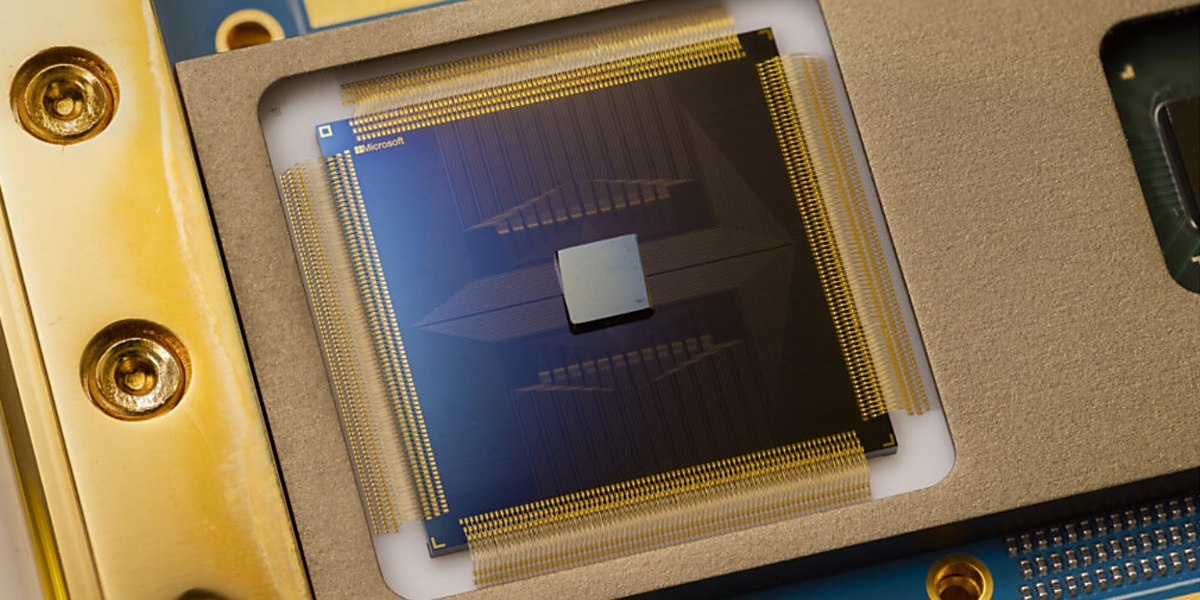
Instead of using the superconducting qubits found in many competing quantum computers, Majorana 2 is built around topological qubits. These rely on theoretical quantum states known as Majorana zero modes. Don’t worry, we don’t understand it either.
CREDIT: Microsoft Corporation
Microsoft calls this architecture “Topological Core” and it really is a radical departure from mainstream quantum computing research.
The materials that are used here make all the difference. One of the biggest changes is replacing aluminum with lead as the superconducting material. Combined with a semiconductor stack built from indium arsenide and indium arsenide antimonide, Microsoft says the new design creates a much larger "topological gap." Essentially giving the quantum states greater protection from environmental disturbances.
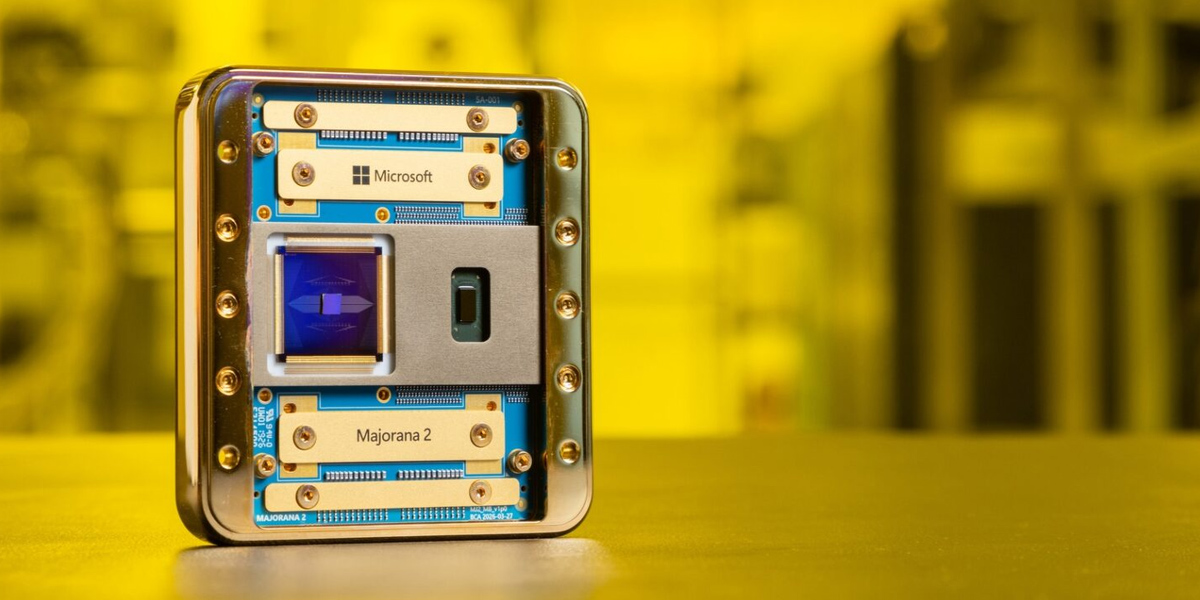
Microsoft reports this gives their quantum chips a massive increase in reliability. Majorana 2’s qubits are 1000 times more resilient than Majorana 1, and Majorana 1 was already quite a bit more resilient than other quantum chips.
Read that again. A thousand-fold improvement in a single generation! But it’s not just resistance that matters. Another huge problem in quantum computing is how long qubits last. If they decohere too fast, you can’t do any computations with them. Where other quantum computers have qubits that only remain stable for a fraction of a second, Majorana 2’s claimed average qubit stability is 20 seconds! The highest stability reported by the research team is in excess of one minute before errors start appearing.
Microsoft says that it thinks Majorana can be scaled up, with these attributes, to having millions of qubits in one processor. Unlocking, finally, the promised capabilities of quantum computing.
Not everyone agrees this is the breakthrough Microsoft says it is
CREDIT: Microsoft Corporation
Extraordinary claims require extraordinary evidence, and not everyone buys into this frankly miraculous jump in quantum computing technology.
For years, Microsoft's topological quantum computing program has attracted both excitement and skepticism from the scientific community. The entire approach depends on successfully creating and controlling Majorana zero modes, but proving that these states exist experimentally has been tricky to say the least.
In science, your work needs to be independently replicable, but of course if Microsoft has really done what it says, there’s also a strong incentive to keep the exact details secret, because this is a breakthrough that could throw another trillion dollars in market valuation into the giant money pile Bill Gates swims in.
Some physicists argue that Microsoft's published data still doesn't conclusively demonstrate the presence of the Majorana states needed for topological qubits. In fact, recent peer-reviewed criticism has challenged the company's interpretation of its experimental results, suggesting the evidence isn't yet definitive.
Microsoft strongly disagrees with those conclusions. The company maintains that its data supports its claims and says it has provided sufficient evidence to organizations such as DARPA while continuing to improve both its hardware and experimental methods.
Why this matters, even if you'll never own a quantum PC
CREDIT: Microsoft Corporation
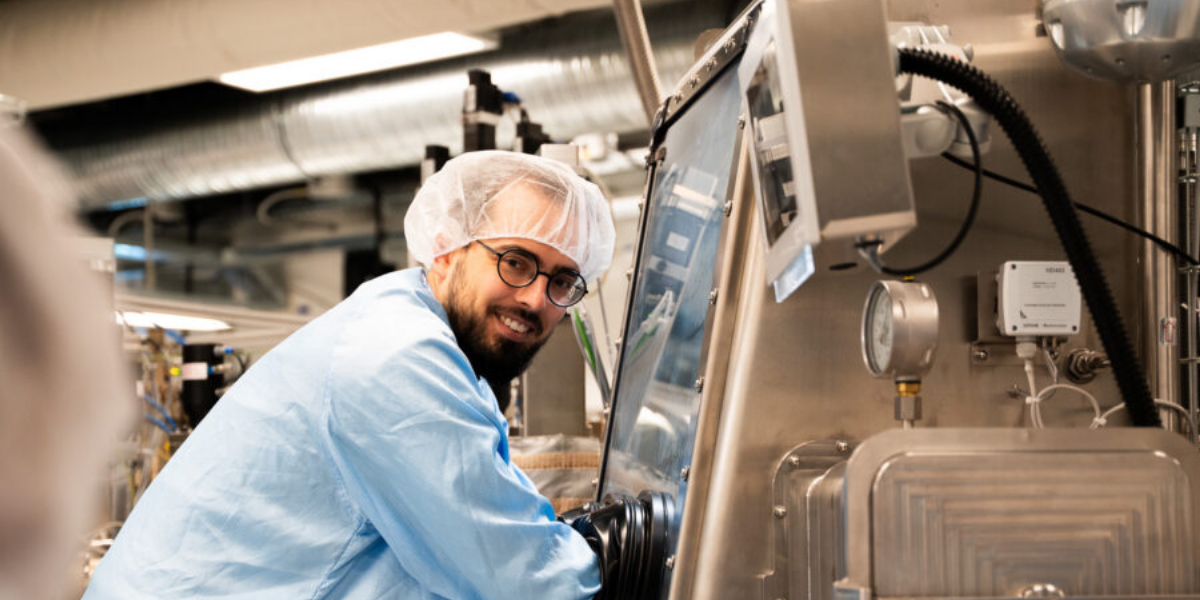
Even if Majorana eventually reaches its goal and creates a working quantum chip with millions of qubits, it’s not like we’ll be selling Titan Computers Quantum Workstations. These are still systems that need super-cooling and expensive facilities with expensive expert engineers overseeing and operating them.
What they will do is solve highly-specialized problems that overwhelm classical computers. Future quantum systems could dramatically accelerate drug discovery, help develop entirely new materials, improve battery chemistry, optimize global logistics networks, and perform complex climate simulations. They could also transform modern cryptography, creating both new security challenges and new ways to protect sensitive information.
So make no mistake, if Majorana is the future, it will change all of our lives.
Written by Sydney Butler.
|

