Would You Host A Data Center In Your House? NVIDIA Thinks So
Published: 7-08-2026
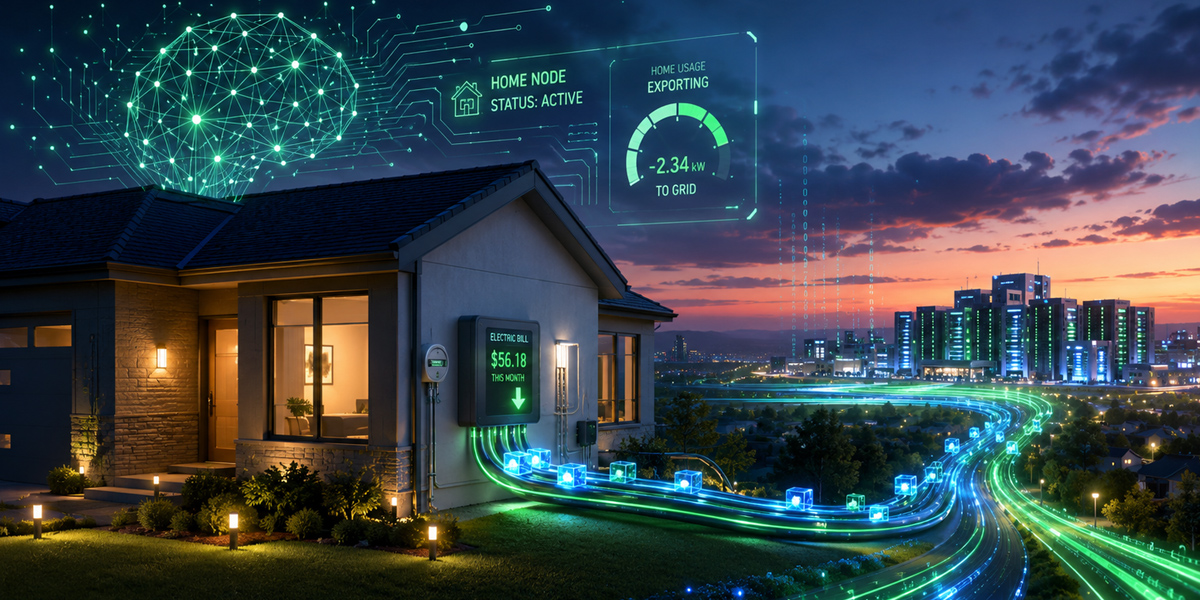
Image Credit: Generated by GPT
AI companies have a problem, and it’s a big one: electricity. You can build your giant data center and have all the physical infrastructure in place, but powering it all is another story. It’s why tech giants are investing in spinning up nuclear power stations, which will power AI exclusively.
Centralizing the grid upgrades, and all the legal red tape is daunting and could hold up the expansion of AI development. That’s a big problem for NVIDIA, which is basically going all-in on AI.
Which is why Jensen's trillion-dollar chip company is backing technology that sounds more like science fiction than infrastructure planning: installing compact AI compute nodes at people's homes and using thousands of them as a giant distributed data center.
The key is in SPAN’s XFRA technology
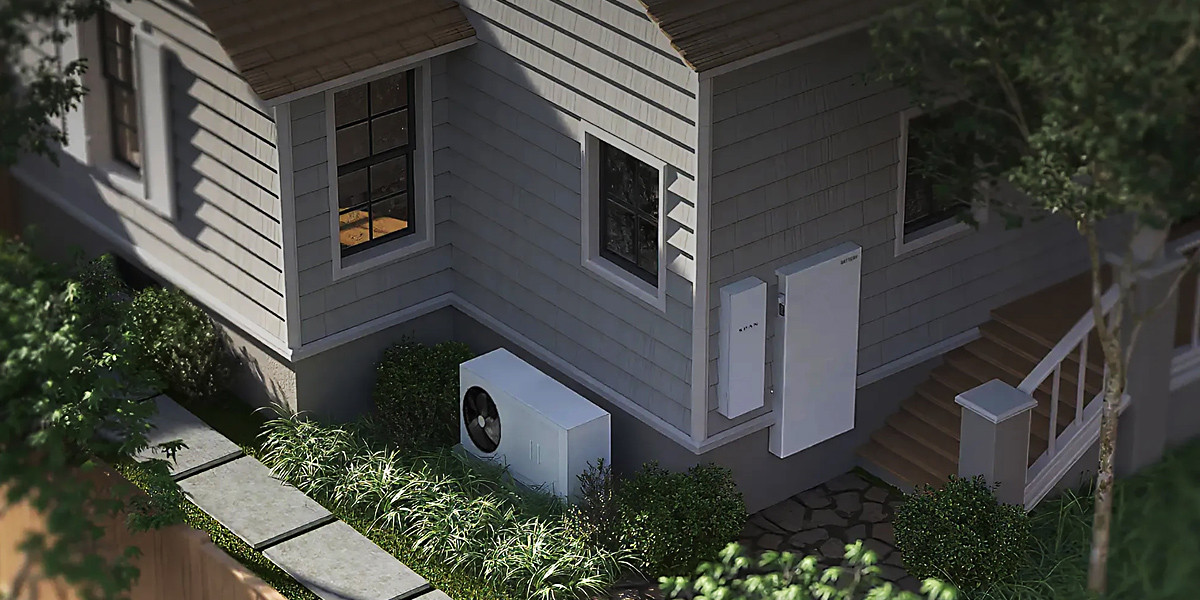
CREDIT: XFRA AI
The key solution here comes from a startup called XFRA. The company reckons that the typical home only uses a fraction of the capacity it’s wired to safely handle. So why not install an AI compute node that will use that “underutilized” capacity?
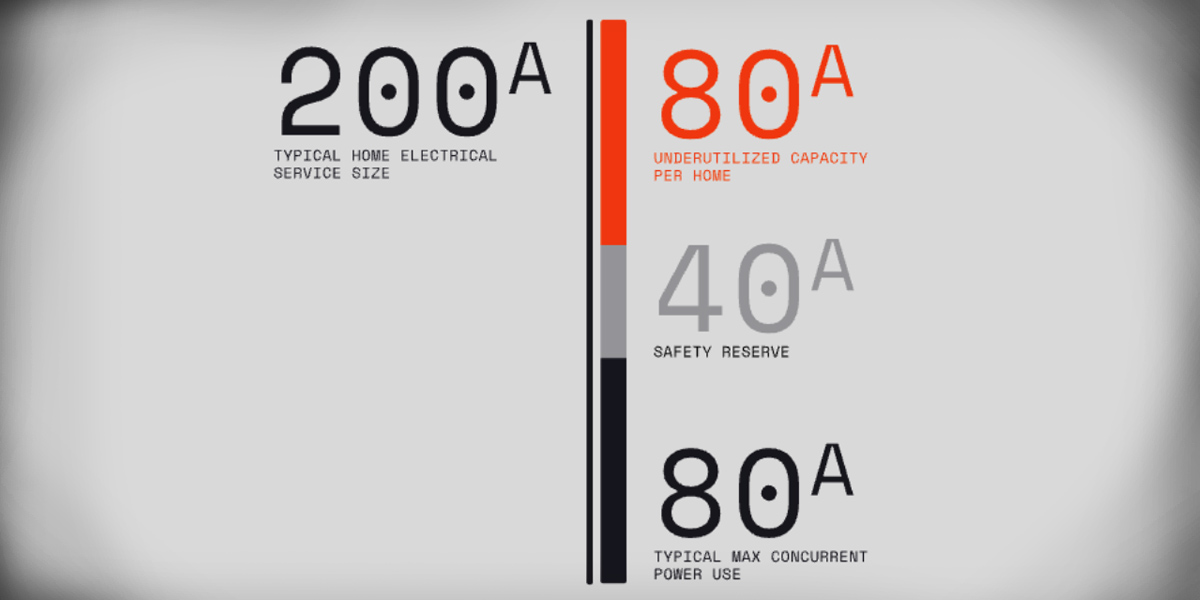
CREDIT: XFRA AI
It’s brilliant in the sense that XFRA has recognized that existing electrical infrastructure exists that no one is using, and so you could pivot this to AI workloads as a distributed network without changing the grid.
The system integrates with a home's electrical panel and can also work alongside battery backup systems and rooftop solar installations.
Unlike the massive GPU clusters used to train cutting-edge AI models, these distributed nodes are intended primarily for AI inference—the process of running already-trained models to answer questions, generate images, or power AI assistants. But it’s exactly this that’s become the power-hungry, expensive part of AI development.
Why NVIDIA thinks this could work
NVIDIA is putting money behind this, because SPAN seems to have worked out all the obvious bugs. According to SPAN, deploying around 8,000 of these nodes could provide roughly the same compute capacity as a traditional 100-megawatt AI data center.
It’s not just access to all that unused capacity either, this could be rolled out much faster than a traditional data center. There’s no zoning, no new construction. It’s no different from someone coming to your home and hooking up a solar power system or installing a water heater. It’s just a computer server node attached to your house using up the power capacity you’re not using.
It’s also spread out much more than a data center. So some of the disruption, noise, and environmental impact could be lessened.
What's in it for homeowners?
So why would anyone want to allow this? Well, the offer is pretty compelling. The company would cover your internet and most if not all of your electrical bill. If you have a solar setup, it’s even more enticing, because you’re now selling power you generate yourself to a buyer who needs every watt you can spare. So it could also subsidize your PV setup.
You don’t pay for the hardware, it belongs to the company, and you get free internet and either free or super-cheap electricity. If the system works as advertised, you won’t even know it's there.
However, the idea is to target developers building homes rather than individual homeowners in existing homes. That could certainly be a part of it, but rolling out to ongoing developments makes a lot of sense as an initial way to test the waters.
The idea is clever—but there are plenty of unanswered questions
So far this sounds appealing, and from the perspective of someone buying a home having free internet and power for doing nothing sounds like a good deal, but there are plenty of potential pitfalls here and it’s unclear how each of them will be resolved.
The first has to do with that so-called “spare” capacity. Just because a house has spare capacity doesn’t mean the neighbourhood as a whole does. The local transformers and distribution system was not built for all the homes to be running at full capacity all the time. Sure, that chart above has a safety margin built in, but it’s more complex than that. Not to mention that the power still has to be supplied by power stations, and high demand will drive up power prices for everyone who doesn’t have Jensen footing the bill.
There are also practical concerns surrounding maintenance, internet reliability, local regulations, and whether enough homeowners would actually want industrial-grade computing equipment attached to their homes.
So, would you say yes to this deal?
Written by Sydney Butler.
|

